More hot days pose risks for pregnant women
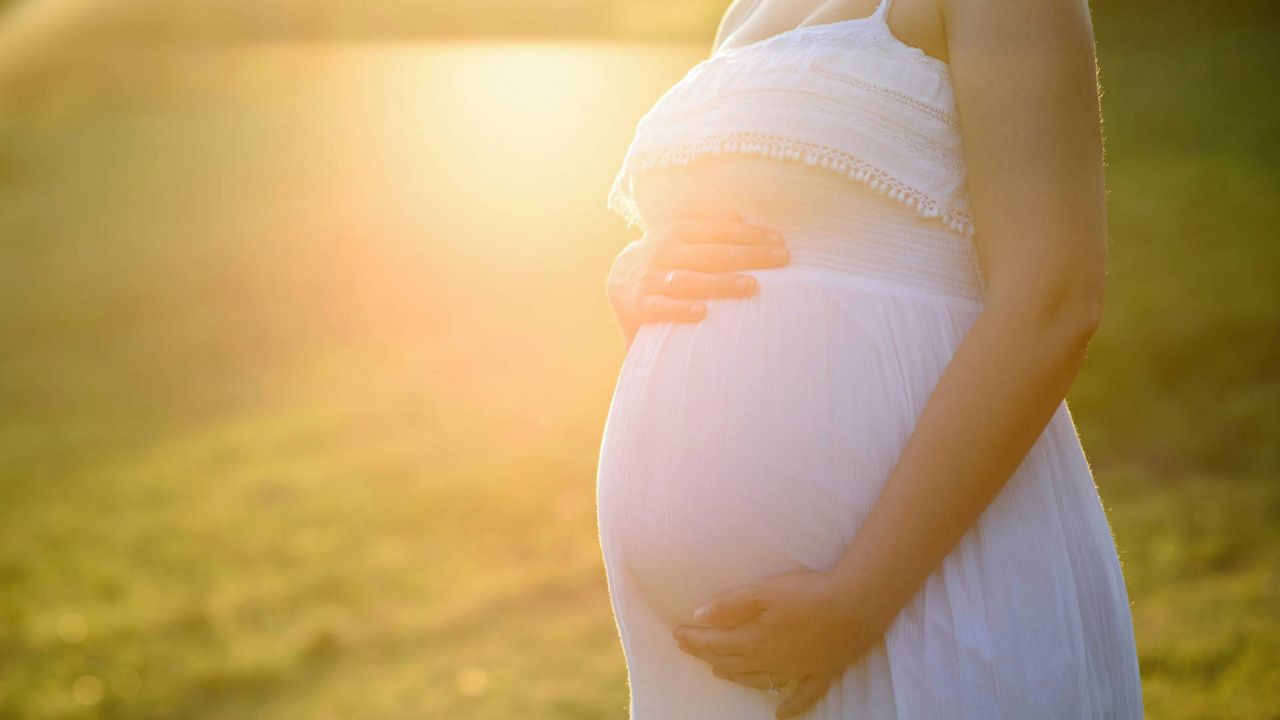
Being pregnant means carrying a lot of extra weight. Dr. Peter Salib, chief of obstetrics and gynecology at Novant Health Southeast, says there’s a lot going on inside mom’s body, too.
“Most women’s blood pressures are a little bit lower when they’re pregnant,” he said. “They’re trying to put more blood flow to that uterus and that makes it a little bit harder to cool off.”
That puts them at high risk for health complications if they’re outside in extreme heat for too long.
“They’re going to feel a little bit of palpitations, or they’re going to feel like they’re getting a little lightheaded faster than someone who otherwise was exposed to the heat,” Salib said. “There might be some increased risks of things like pre-term delivery, pre-term birth for people who do live in temperate climates that are then exposed to extreme heat.”
Salib says the heat’s also risky for the unborn baby, which is why it’s important to hydrate and avoid long stints in the sun.
“These cases are rare, but there are some reports as well of increased risk of certain things like placenta abruption, which is actually an emergency in which the placenta separates from the wall of the uterus where the blood is supposed to be,” he said. “Again, I don’t want people to be overly concerned about this, if we’re taking the sort-of commonsense approaches.”
The chances for these complications have increased over the last five years, though, with climate change adding 12 days of extreme heat across the nation — bringing the annual average to 25.
Data from Climate Central shows there are 13 more risky days for expecting mothers in North Carolina. Western states such as Arizona, Nevada and Colorado see 20 additional days or more.
That is why it’s vital for moms-to-be to heed their doctor’s advice no matter where they live in the U.S.
“If you do go out in the sun — if you start to feel faint, or you’re feeling uncomfortable, take a break,” Salib said. “See if you can sit in the shade, lay down, or get to some air conditioning, drink some cool fluids.”
And if you’re pregnant and exercising, Salib recommends either doing it indoors or going for an early morning walk before it gets too hot outside. He also says if you plan on being outside for an extended period, avoid drinks with caffeine as they’ll make you feel a lot more uncomfortable much sooner.
link