Returning to School After a Concussion | HEADS UP

What to do
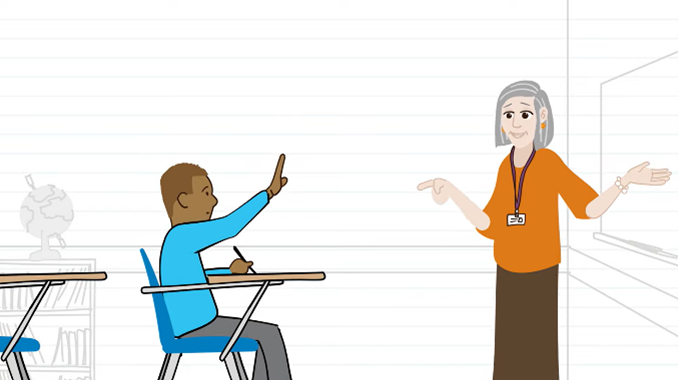
Recovering from a concussion can be difficult. But getting a plan in place to help your child get back to school can help.1 Most children can return to school within 1 to 2 days of a concussion.1 This means that many children will return to school even if they are experiencing some concussion symptoms. Concussion symptoms can affect a student’s ability to participate, learn, and perform well in school. But, getting students back to school after a concussion can shorten their recovery and reduce the likelihood of mental health symptoms.2
What to watch for
Signs and symptoms of concussion generally show up soon after the injury. However, a concussion is an evolving injury. The full effect of the injury may not be noticeable at first. And some symptoms may not show up for hours or days. This means school professionals may notice new concussion signs once your child is back at school.
Steps to take
Get information from their healthcare provider
Ask your child’s healthcare provider to fill in the CDC HEADS UP Letter to Schools. This letter provides strategies to help the school set up any needed support. Concussion symptoms may return as students get back to school. Be sure to watch out for any worsening concussion signs and symptoms and share this information with their healthcare provider.
Provide information to school professionals
Share the CDC HEADS UP Letter to Schools and talk about your child’s concussion symptoms with their teachers, school nurses, and other school professionals. When they understand the possible effects of a concussion, they can better provide your child with classroom supports, and collaborate to meet your child’s needs. They can also monitor your child’s recovery and take action if needed.
Get a concussion management plan in place
Your child’s school can help put a concussion management plan in place that is based on their symptoms and guidance from their healthcare provider. Providing appropriate support for a student returning to school after a concussion requires a collaborative team approach that includes teachers, counselors, administrators, special education teachers, and/or paraprofessionals.
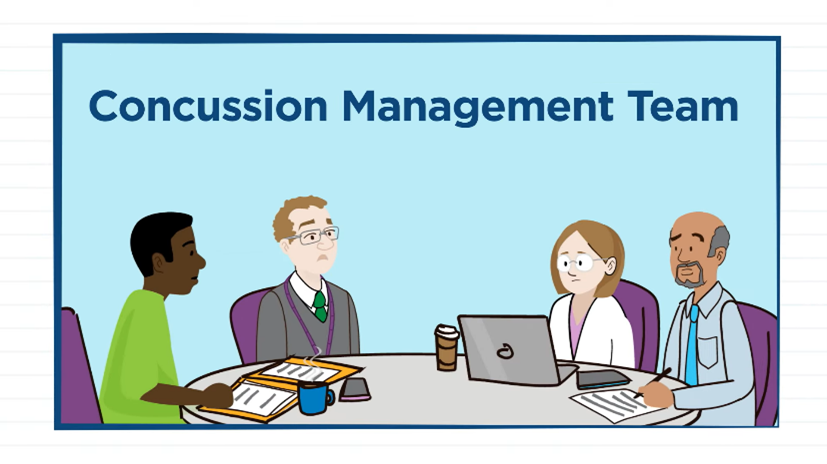
Making short-term changes to your child’s school workload and schedule can help them get back to their regular school routine. As they begin to feel better, the school can slowly remove these changes.
To start, work with the school to create a plan that:
- Identifies a case manager who will serve as the primary point of contact for you and all members of the team
- Outlines who is responsible for monitoring the student’s symptoms while at school
- Considers your child’s age, types of symptoms, level of understanding, and emotional status
- Identifies the type and length of activities your child can handle
- Addresses any schoolwork they may have missed
- Is available to all of your child’s teachers so that they have the same level of support throughout the school day
Learn more about setting up a concussion management plan and team.
School professionals can take concussion training. Having a designated school professional trained on concussion at every school may:3
- Build confidence among school professionals on how to identify and respond to concussion
- Facilitate the use of services and supports for children who may be struggling in the classroom after this injury
Learn about supports and accommodations
School professionals should provide supports or accommodations based on your child’s concussion symptoms.4 Below are some examples.
Read about additional strategies and supports:
Check in on how your child is feeling
Your child may feel frustrated, sad, and even angry because they can’t participate in usual activities like recreational activities or sports.5 They may also feel isolated from their friends and communities. These feelings are common after a concussion. Give your child time to talk with and stay connected to friends. Listen and talk with your child about these issues and offer your support and encouragement. Having support from family and friends can help with recovery.4
Monitor your child for ongoing symptoms
Most students need only short-term changes or support services while they recover from a concussion. However, if a student has a prior history of concussion, migraines, mental or behavioral health conditions, or learning disabilities, it may take longer to recover from the concussion.14
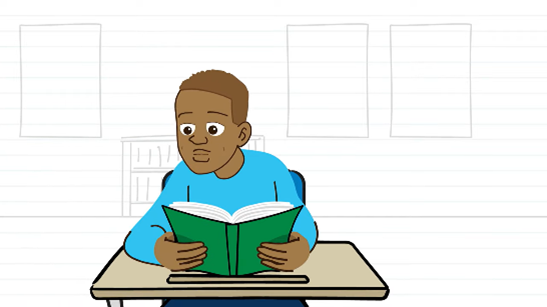
The Americans with Disabilities Act (ADA) requires public schools to provide supports for students identified as having temporary or long-term disabilities due to a TBI that affects academic performance. These support services may vary widely among states and school districts. The type of support will differ depending on the specific needs of each student. Support services may include:
- Multi-Tier System of Support (MTSS) or Response to Intervention Protocol (RTI)
- 504 Plan
- Individualized Education Plan (IEP)
link